
How Structural Reinforcement Protects Buildings Against Hurricanes and Coastal Challenges
Hurricanes are powerful natural events. They can cause significant damage to buildings and infrastructure, especially in coastal areas. People must be well-prepared for places that frequently experience these storms. One effective way to protect structures is through structural reinforcement. This process makes buildings stronger. They can better withstand hurricane winds, flooding, and other coastal challenges. Investing in structural reinforcement protects lives and keeps property values high. This also gives everyone peace of mind, even during the most challenging weather storms.
Understanding Hurricane Forces
Hurricanes come with powerful winds and heavy downpours, and the waters are rising. Such conditions are detrimental to buildings. These conditions can cause roof problems, wall damage, and foundation issues. In very extreme cases, buildings might collapse. The potent mix of wind and water goes beyond the tolerance of some structures that need better support. By recognizing these challenges, we can come together. Together, we can design buildings that are safer and stronger.
Wind will indeed push and pull buildings and thereby affect their stability. It is especially susceptible if the building lacks reinforcements in areas with frequent hurricanes. Experts constantly work to reduce wind energy and improve structures, creating a safe building environment during extreme storms.
Key Structural Reinforcement Techniques
Coastal hurricane-prone areas apply multiple methods of strengthening structures under the applications above. All those techniques address a particular weakness in the building that may withstand weather forces.
Wind-Resistant Roofing Systems: Some roofs can be available for susceptibility to hurricanes, problem. Wind-resistant roofs should be installed for protection. Reinforced shingles or metal roofs with secure fastenings can add these protection options. They will also safeguard your home against strong winds and flying debris. Such systems can improve protection against hurricanes, making roof damage less likely. This captures a concern.
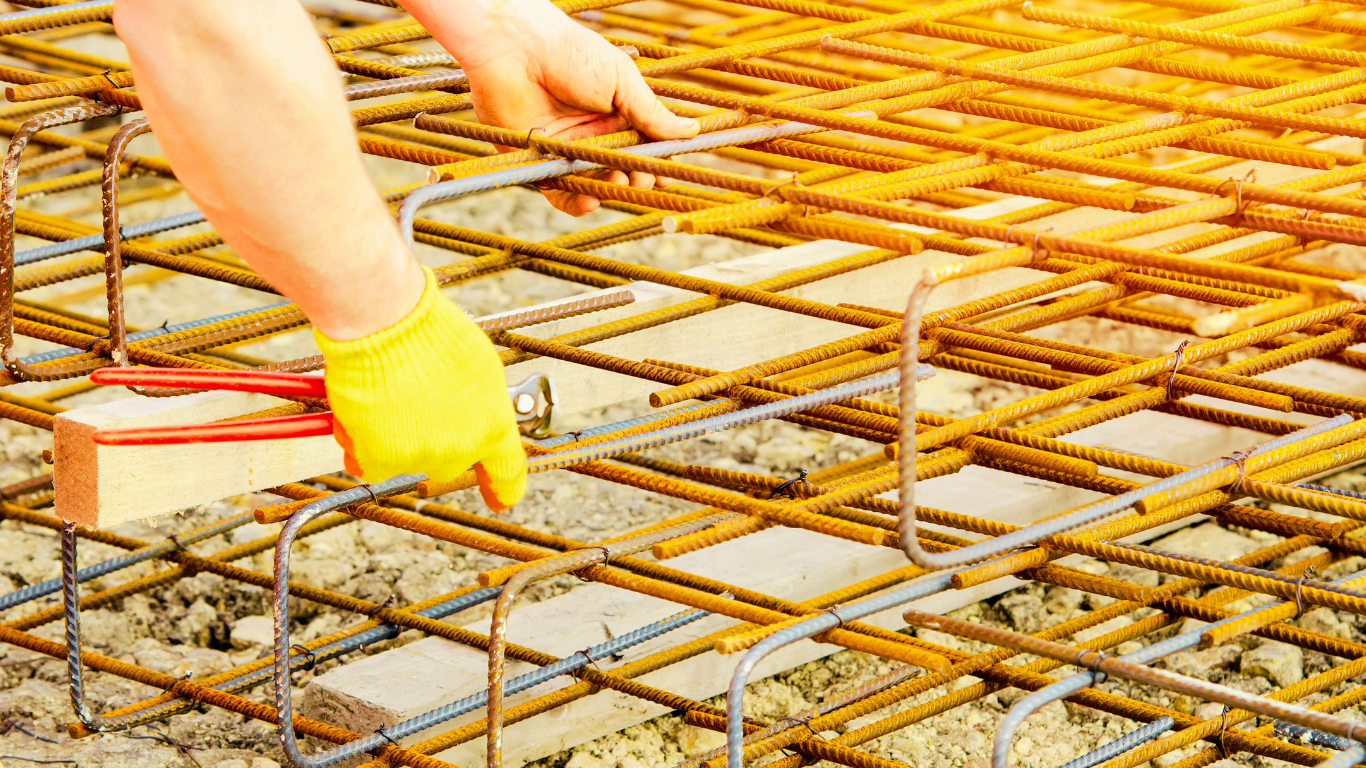
Reinforced Concrete and Steel Frames: Both materials are key for storm-resistant buildings. Use steel and concrete. Together, they form strong frames. They can absorb and spread wind and water forces. This synergy ensures the building remains intact during extreme weather.
Flood-Resilient Foundations: Coastal areas are prone to flooding from storm surges and heavy rains. Elevating foundations or using flood-resistant materials helps protect buildings from water damage. Proper drainage systems further mitigate flood risks.
Impact-Resistant Windows and Doors: Windows and doors are often vulnerable during hurricanes. You can make these areas stronger. Upgrade to impact-resistant glass or add storm shutters. This will help protect your home from flying debris and minimize potential interior damage.
Revamping Older Buildings: Many older buildings may not meet today’s hurricane standards. We can significantly improve these structures’ ability to withstand storms. We can give them reinforced roofs, stronger frames, and elevated foundations. This approach protects the buildings and ensures the safety of the people who use them.
Materials Used in Hurricane-Resistant Construction
Material selection is one of the significant aspects of hurricane-resilient structures. The use of high-strength materials forms a part of storm-resistant construction. Among those are steel, reinforced concrete, and engineered wood. Steel supplies the power that is needed for flexibility and tensile strength. Concrete is included for its compression strength and durability.
New materials, such as fiber-reinforced polymers (FRPs), are increasingly popular for retrofitting. Lightweight yet strong, these materials improve structural performance without adding excessive weight. Selecting the right materials ensures that buildings can endure the harshest coastal challenges.
The Role of Professional Engineering in Reinforcement
Engineers are required to have experience and skills to support structure. The engineers should visit and study the design, site, and risk factors applicable to a building before considering the possible relevant reinforcement types. It is necessary to prepare a suitable scheme that fully uses available materials and compares it with all safety norms.
It can be tempting to DIY structural reinforcement or hire novice contractors. However, this might lead to less-than-ideal results, which could leave the building at risk. Working with skilled, experienced pros ensures they do the job right. This way, you can feel confident and secure in the strength of your building.
Cost vs. Benefit of Structural Reinforcement
Structural reinforcement may sound expensive. However, its long-term benefits are far outweighed. Reinforcement minimizes potential hurricane damage to property and reduces repair costs. It also maintains property value. Also, reinforced buildings may benefit from lower insurance premiums, letting them reap financial dividends.
Most importantly, structural reinforcement protects lives. To do so, it is indispensable to invest in it so that one may protect the occupants as well as his property. Strengthen your building today so that you can secure it tomorrow.
Legal and Regulatory Considerations
It’s vital to follow building codes and safety standards in hurricane-prone areas. Working with experts can help ensure that buildings are up to these standards. This teamwork lowers risks and helps avoid problems down the line.
Professionals stay updated on local regulations and use approved techniques to reinforce buildings. Adhering to these codes protects your investment and ensures peace of mind during storm seasons.
Protect Your Building with Expert Reinforcement
Properties located in coastal and hurricane-prone areas need heavy-strengthening measures in building to withstand severe environmental disasters. It protects lives and minimizes damage while complying with building safety codes. Although these costs seem phenomenal, the returns from using skilled professionals outdo the risks posed by neglect. Don’t wait for the next storm to hit. Call the experts today and make your building safe for years to come.
To stay updated with us, please follow our Facebook page.