
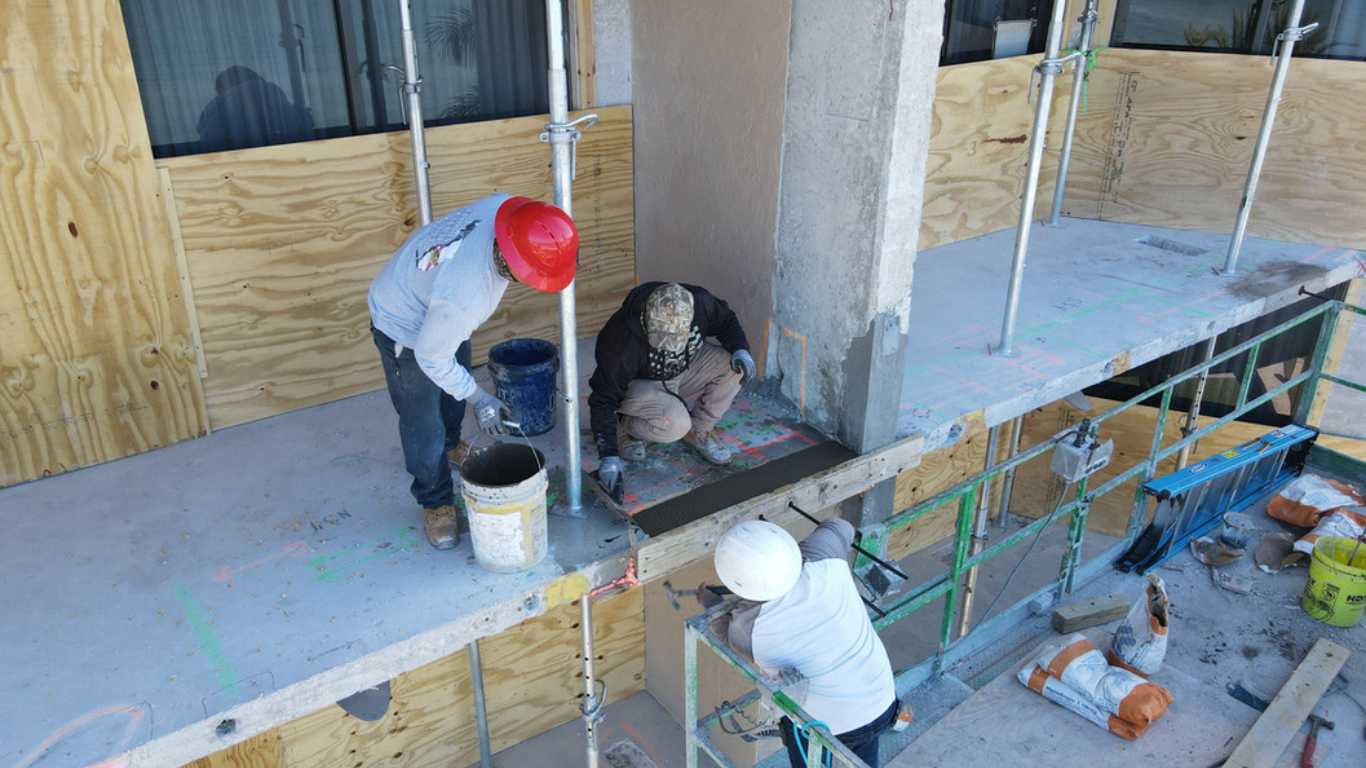
General Contracting Services From Pre Construction to Final Walkthrough Explained
The construction of an establishment is like solving a puzzle whose pieces change even as you work on it. This is because budgets are not fixed, timeframes may be reduced, and one mistake may lead to another and more expenses. This is precisely why quality general contractor services are crucial in such instances.
Below is a clear, start-to-finish look at how general contracting services typically work, where projects most often go off the rails, and what a well-run process looks like when it’s managed with intention.
Why projects struggle without a clear contracting plan
Most project headaches start with multiple small problems that accumulate into major issues. The project suffers from multiple problems that arise when the project scope remains undefined, decisions are postponed, communication breaks down, and construction materials arrive at the wrong times. The existing gaps in commercial projects negatively impact tenants, customers, and business operations.
Common pain points include:
- Scope ambiguity, resulting in change orders and cost overruns
- Scheduling conflicts between trades that slow progress
- Unexpected material shortages due to improper planning
- Inconsistencies in quality standards because expectations were not communicated
- Last-minute inspection issues that force rework near the finish line
The solution uses a systematic method to link all three phases of a project, which include planning and construction work, and project completion into one controlled process. General Contracting/Construction Management is most useful in projects because it focuses on both project planning and management activities that go beyond physical construction work.
General contracting services from pre-construction to final walkthrough
One effective approach to understanding the entire process is to segment it into stages. These stages have specific objectives and milestones that must be met for things to go smoothly. When done properly, these stages make the result seem less overwhelming than expected.
1) Pre-construction: turning ideas into a buildable plan
Most projects either succeed or fail during the pre-construction stage. What is important is that all the necessary preparations be put into place before any digging takes place. Having blueprints alone will not do.
In this phase, General Contracting / Construction Management typically focuses on:
- Scope definition: The inclusions, exclusions, and assumption-to-decision areas
- Budget considerations: Identifying early on cost drivers so as not to get any unpleasant surprises later
- Scheduling: Realistic sequencing of activities, including material lead times
- Project site & operations planning: Effects of construction on accessibility, safety, and daily operations (particularly for occupied commercial buildings)
Moreover, for many owners, this is the stage at which they determine whether they require Commercial Contracting Services tailored to their building and requirements.
2) Procurement and coordination: setting the project up for momentum
Having made your plans, the next step is to coordinate people and resources at the appropriate time. That is when coordination comes into play.
Common problems here include ordering long-lead materials too late, hiring trades without clear expectations, or failing to confirm how different systems interact (for example, how mechanical work affects framing, ceilings, and fire-rated assemblies).
A strong general contractor reduces these risks by:
- Verifying selections and lead times early
- Aligning the trades’ scopes so nothing is duplicated or omitted
- Building good communication systems so that all questions can be addressed quickly.
The objective is clear: prevent on-site bottlenecks from arising.
3) Construction: managing progress, quality, and change
People usually associate the term “construction” with this particular stage of the building process. The construction stage needs its most effective management solutions during this period. The actual situation will differ from the planned activities. Three elements, which include hidden factors, design clarifications, and business needs changes, will determine the outcome.
During construction, General Contracting Services typically center on:
- Daily and weekly scheduling to keep trades flowing in the right sequence
- Quality control to catch issues early (when they’re cheaper to fix)
- Safety and site organization to keep work efficient and reduce disruptions
- Change management so adjustments are documented, priced, and approved before they derail the budget
For commercial projects, Commercial Contracting Services shines. It’s important when work must be phased. This keeps parts of a building accessible or operational.
4) Commercial restoration: when the project starts with damage
Some projects begin with existing work rather than starting from scratch. The “pre-construction” phase begins when unanticipated events cause water intrusion, storm damage, or other building damage. The plan needs Commercial Restoration services because they serve as its most essential component.
The greatest concern during restoration work is the unknown: the damage and what can and cannot be repaired to restore the property to a usable state. A comprehensive strategy for the restoration process assists with:
- Evaluation of visual and nonvisual effects
- Factors relating to safety and stability first
- Maintenance strategy taking into account future-proofing, not just immediate fixes
If restoration follows the same rigor as any typical construction process, with precise parameters, timelines, and continuous monitoring, the property owner is assured of minimal surprises and realistic reopening timescales.
5) Closeout and final walkthrough: finishing strong (and correctly)
It is the final stage where projects are prone to collapse. The staff members are tired; there is a need for haste, and the finishing processes will require more time.
In an efficiently managed closeout, emphasis is placed on the following key aspects to ensure you get what you pay for:
- Punch List Completion: Recording unfinished tasks and confirming their completion
- Inspections: The process of verifying whether a job has achieved all required standards before the project reaches the final handover stage
- Owner walkthrough: The process of verifying completed work through assessment of its aesthetic details, operational capabilities, and project specifications
- Turnover readiness: The process of validating that a location has achieved actual readiness for use beyond its status as complete construction.
This phase should feel organized, not chaotic. The best outcomes happen when closeout isn’t treated as an afterthought. It’s planned from the start.
Actionable steps to get better results with your contractor
You can protect your schedule and budget for your commercial construction project by mastering essential construction skills. You do need a few practical habits that keep decisions clear and progress measurable.
- Ask for a phase-by-phase roadmap before work begins, including key decision deadlines.
- Confirm how changes will be managed. Who approves them? How is pricing documented? Also, how will we communicate the impacts on the schedule?
- Request regular updates that include what’s done, what’s next, and what’s at risk.
- Clarify closeout expectations early, including how punch list items will be tracked and verified.
- Be decisive on selections (finishes, fixtures, equipment) to avoid last-minute substitutions and delays.
These steps pair especially well with General Contracting or Construction Management, where planning and communication are treated as part of the work, not extra.
How the right service fit saves time, money, and stress
Not every project needs the same level of involvement, and that’s okay. The key is matching the service approach to the complexity of your job.
Managing multiple trades, tight schedules, or busy spaces? General and commercial contracting services help keep your project on track from start to finish. If there’s damage or disruption, Commercial Restoration provides order. It helps make sense of what feels chaotic.
Managing all phases from pre-construction to the final walkthrough helps reduce surprises. This way, decision-making is clearer. You also get a finished space that works as you need it to. Contact Vetor Contracting Services today. We can help restore your property’s beauty, safety, and functionality.
To stay updated with us, please follow our Facebook page.